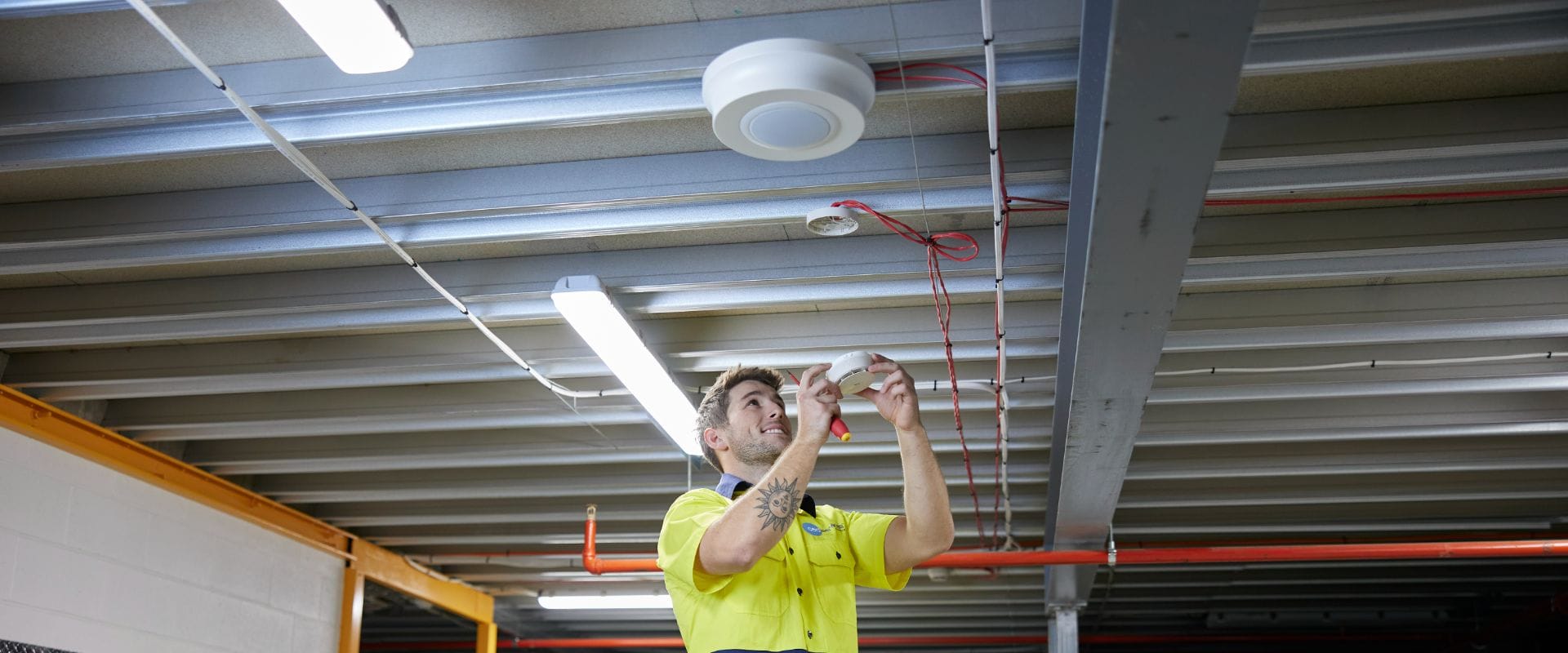
Emergency Warning & Intercommunication Systems (EWIS)
Emergency Warning & Intercommunication Systems (EWIS) are crucial for ensuring the safety of occupants in larger or more complex buildings. These systems are designed not only to alert occupants to an emergency but also to provide clear instructions and facilitate communication between emergency services and building management. Their primary function is to manage evacuation procedures effectively, minimizing panic and ensuring an orderly exit.
EWIS typically integrate various components such as manual call points, smoke detectors, speakers for voice announcements, and control panels. They are vital in buildings like hospitals, aged care facilities, high-rise apartments, and public assembly areas, where the complexity of evacuation requires sophisticated management and clear, directed communication.
Occupant Warning Systems (BOWS)
Occupant Warning Systems (BOWS), often referred to as Building Occupant Warning Systems, are specifically designed for smaller to medium-sized buildings. These systems focus on providing a clear and audible alert to occupants in the event of a fire or other emergency, prompting them to evacuate. BOWS are a simpler yet effective solution for ensuring basic safety compliance in less complex structures.
Commonly found in childcare centres, offices, residential apartments, and industrial factories, BOWS are distinguished by their focus on audible alarms. While they may not always include the sophisticated intercommunication features of EWIS, they are essential for meeting regulatory requirements and safeguarding lives through timely and unambiguous alerts.
Compliance with Australian Standards (AS1670)
Adherence to Australian Standards, particularly AS1670, is paramount for the effective and compliant installation and maintenance of warning systems. This standard outlines the specific requirements for fire detection and alarm systems, ensuring that they are designed, installed, and maintained to provide reliable performance in emergency situations. For businesses like CED Fire Protection, understanding and implementing AS1670 is fundamental to their service offering.
Compliance with AS1670 not only ensures the system's functionality but also guarantees that it meets the rigorous safety benchmarks set by regulatory bodies. This includes aspects like system design, component selection, wiring, testing, and ongoing maintenance schedules, all of which contribute to the overall reliability and effectiveness of EWIS and BOWS in protecting lives and property.
Importance of Professional Installation and Maintenance
The professional installation and ongoing maintenance of warning systems are critical for their reliable operation and compliance with building codes. Incorrect installation can lead to system failures, false alarms, or a lack of functionality during an actual emergency. Regular maintenance ensures that all components are in good working order and that the system remains up-to-date with any regulatory changes.
CED Fire Protection emphasizes its expertise in both installation and maintenance, offering services that cover the entire lifecycle of warning systems. This includes initial design consultation, expert installation by licensed technicians, and scheduled maintenance checks, testing, and repairs. This comprehensive approach guarantees that building owners can rely on their systems to function as intended when it matters most.